Biology is dynamic, and animations are extremely effective in helping learners visualize new scientific concepts and mechanisms of action.
The below animations are built to support educators in classrooms ranging from high school to introductory graduate coursework.
Fluorescence Activated Cell Sorting - an animated loop for classroom curriculum
Fluorescence Activated Cell Sorting (FACS) is a foundational technique used in immunology research to separate a mixture of cells into pure cellular populations based on properties that are unique to each cell type.
I recently created this looping animation for Dr. Richard Cross, Director of the Immunology Flow Cytometry core at St. Jude Children’s Research Hospital as a teaching tool to show students and trainees the inner workings of a FACS instrument.
What types of instrumentations and core techniques do you use in your field? How would you use animations to introduce learners to these tools and techniques to help them prepare for working in the laboratory?
Clotting Cascade 2D animation
This 2D animation of the clotting cascade was custom built for a high school learning module, where independent 2D assets can be used to integrate with module software for an interactive learner experience.
Oxygen Binding Kinetics of Hemoglobin in 3D
Re-imagining a textbook lesson.
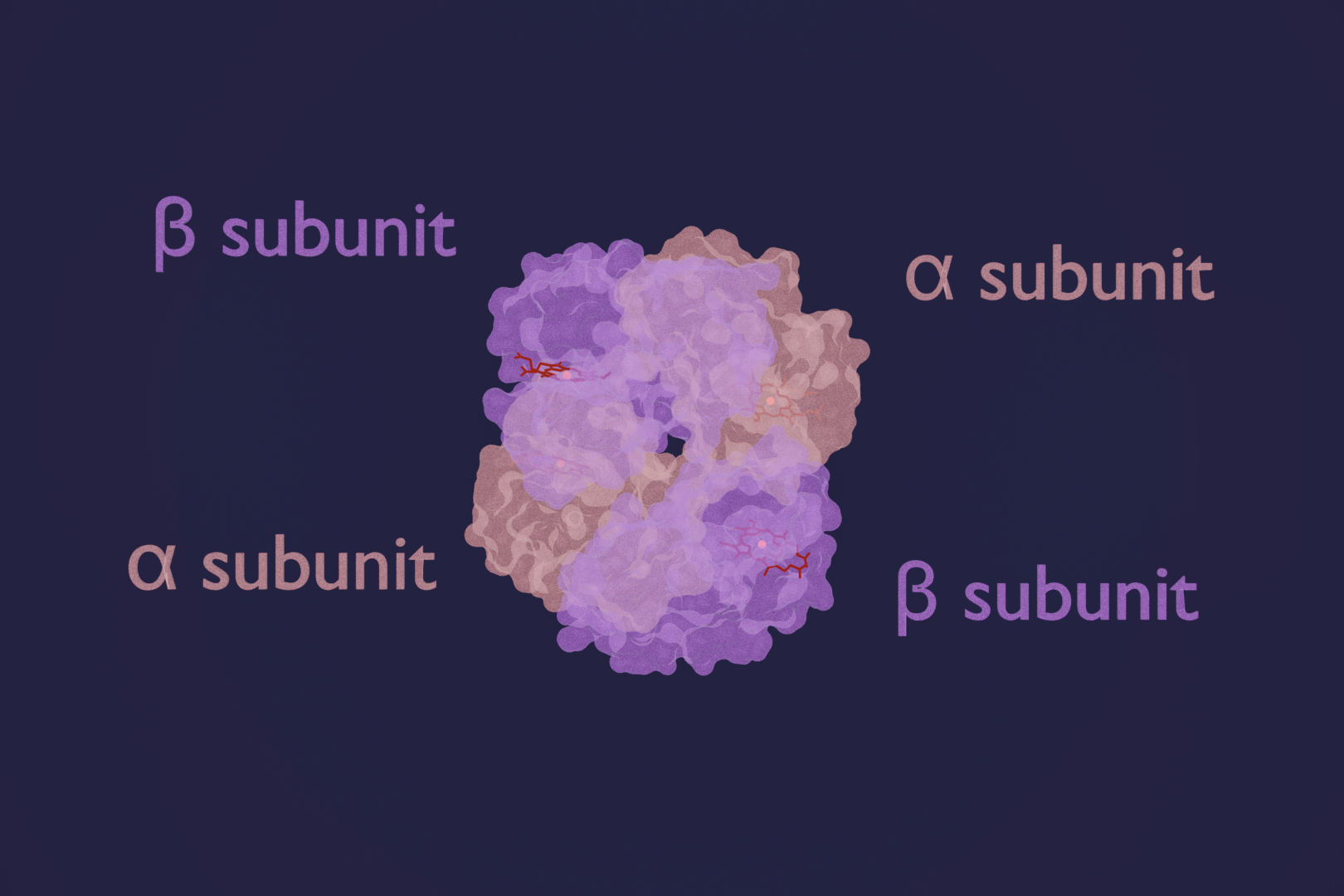
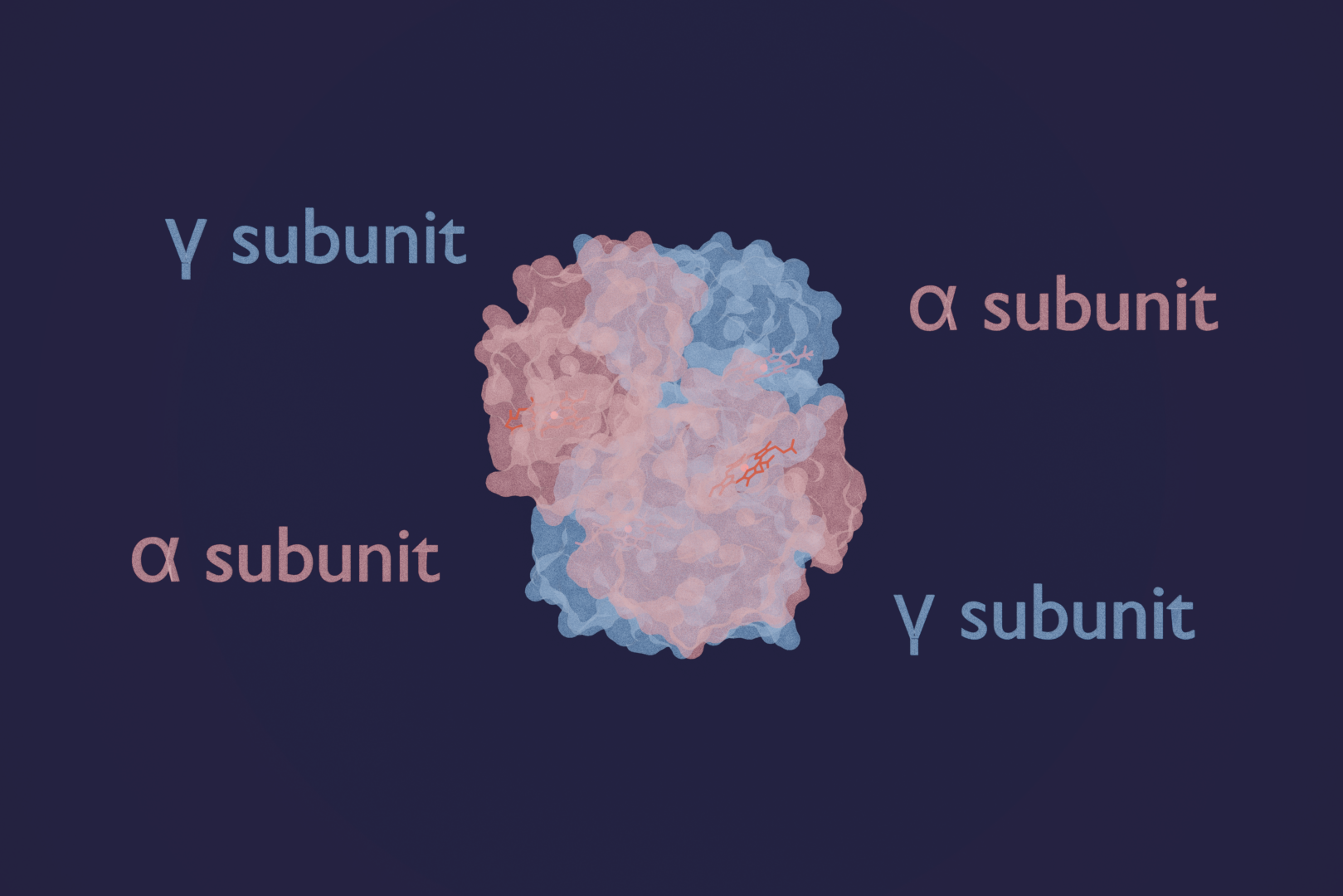
Do you remember learning about the oxygen binding kinetics of hemoglobin from a textbook graph? What if we can see the oxygen molecules slide into a 3D hemoglobin as it travels the curve like a monorail?
This set of 3 animations and 2 stills reimagines the oxygen binding curve of hemoglobin as a dynamic process, made for a high school learning module. PDB structures are used to introduce students to protein structural databases. Final classroom versions include other interactive elements comparing binding efficiencies of fetal vs adult hemoglobin.
A note on process
For well-defined projects with immediate and specific use case, the final product can be delivered within 3 to 4 check-ins, at a rhythm of 2 - 5 days between check-ins, depending on the complexity of each visual build, revision, and the requester’s urgency.
An initial meeting following a client request generally establishes the aesthetics, scope, and timeline of the project. Once the project has started, I provide clients with progress updates every 2 - 5 business days. This frequency ensures we remain on the same page and that client feedback is incorporated consistently as I build toward the final product.
Time to completion is project specific, and can be anywhere from 2 to 6 weeks from initial request to completion. Rush projects are possible, but may require refining the scope of the project to focus on immediate communication needs. In these cases, I work with clients to find solutions to meet tight deadlines.
Let’s work together ~
To work with me, simply email Beiyun@cliubioanimation.studio with the following information:
Your name, email contact, and timezone
Brief project description
Relevant supporting material to help me better understand your vision - these can be project drafts, research papers, sample visuals, etc.
I generally respond within 2 business days with follow-up questions and to set up a virtual meeting to discuss project details.
My timezone is GMT-6.
Looking forward to connecting!